
About Us
Contact Info
-
-
Phone
+91 9816632049 -
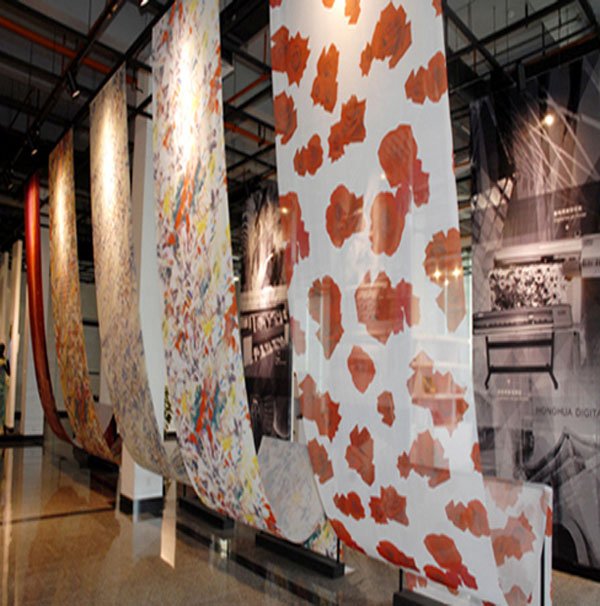
Textile Process Chemicals are essential substances used throughout the textile manufacturing process to enhance fabric quality, improve processing efficiency, and achieve desired physical and aesthetic properties. From pre-treatment to finishing, these chemicals play a crucial role in transforming raw fibers into high-quality finished textiles.
They are widely used in industries such as apparel, home textiles, technical textiles, and industrial fabric production.
Textile process chemicals are a broad range of chemical formulations used at different stages of textile processing, including preparation, dyeing, printing, and finishing. These chemicals ensure better absorption, uniform dyeing, improved softness, and durability of fabrics
Mix the dry powder with max 4.4 qt (4.2 L) of cold, potable water, max 28 %, per 33 lb (15
kg) bag. Do not overwater. Mix for 2–3 minutes with a heavy-duty drill mixer (650 minimum
rpm) to obtain a lump-free mix. Product may be refreshed by re-mixing but do not ad more
water.
Apply blended material onto substrate at a thickness of 0” to 2” (0–50 mm) for all surfaces by
using a steel trowel. After initial set of material (approx. 10–15 min.), remove any overlap
marks, seams and inconsistencies by scraping with a steel trowel.
Protect MYCROREPAIR from excessive heat or draft conditions during the curing process.
Protect for up to 24 hours after completed installation. Material can be walked on after 30–45
minutes. Before covered by carpet or MYCROREFLECTS be sure that the subfloor is dry
enough.